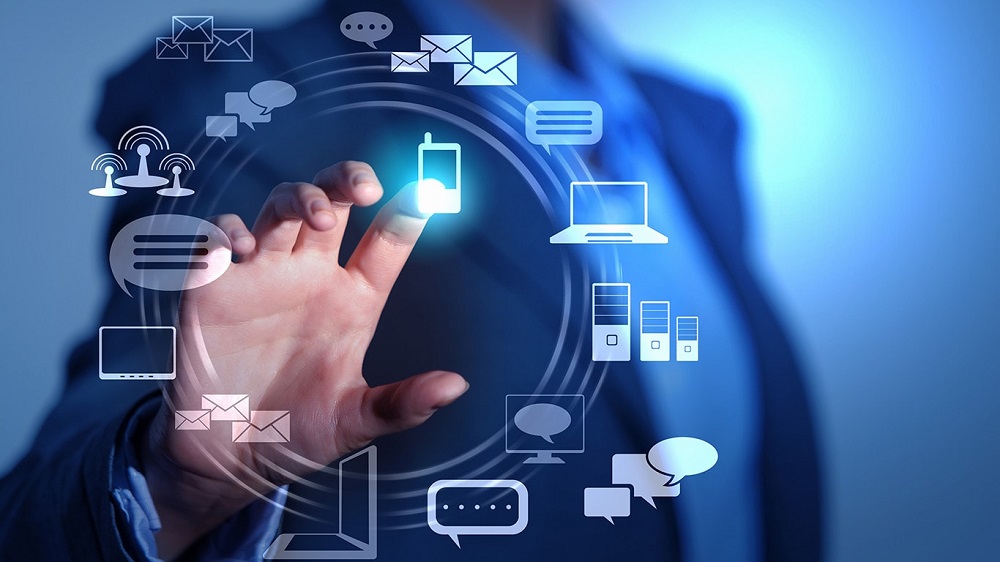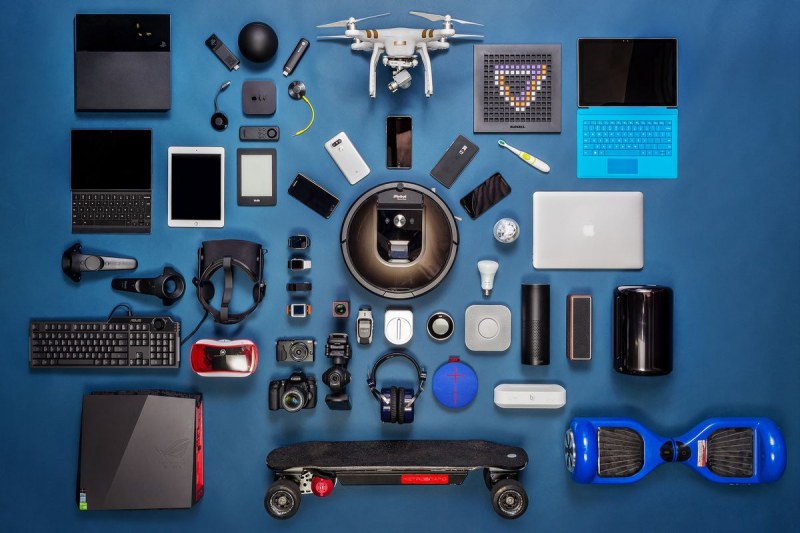











In the tapestry of modern existence, gadgets have emerged as more than mere tools—they are the enablers of our daily routines, the architects of convenience, and often, the silent influencers of our habits and behaviors. From the smartphones that rest in our pockets to the wearable tech tracking our health, gadgets have become indispensable, shaping everything from communication to entertainment, productivity, and even social interactions. Yet, as we embrace the digital age with open arms, it’s worth examining the deeper implications of these devices on our lives. How have gadgets evolved, and what role do they play in the broader context of society? This article delves into the definition, history, evolution, and impact of gadgets on contemporary life, exploring both their benefits and their challenges.
What Defines a Gadget?
At its core, a gadget is a small, often portable, device or tool designed to perform a specific function. While the term “gadget” may conjure up images of high-tech electronics, it can refer to anything from a kitchen utensil to a complex piece of software. Gadgets are typically characterized by their compactness, innovation, and efficiency. They are designed to make tasks easier, faster, or more enjoyable, providing practical solutions to problems in a user-friendly package.
In modern usage, however, the term has largely come to represent electronic devices—often equipped with features that integrate seamlessly into our daily lives. Smartphones, laptops, tablets, smartwatches, and wireless headphones are prime examples of modern gadgets, serving as the cornerstone of a hyper-connected world. These gadgets do not just serve as functional tools; they have become extensions of our identities, influencing how we interact with the world around us.
The Evolution of Gadgets: From the Mechanical to the Digital
The history of gadgets is long and fascinating, with early innovations laying the groundwork for the digital revolution we know today. In the 19th and early 20th centuries, gadgets were often mechanical or electromechanical, such as the pocket watch, the typewriter, and early cameras. These devices, though rudimentary by today’s standards, were revolutionary in their time, offering new ways to measure, record, and communicate.
The mid-20th century heralded a new era of technological development, with the advent of computers and the rise of consumer electronics. The invention of the transistor in 1947 and the subsequent development of integrated circuits paved the way for the miniaturization of electronic devices. This was the dawn of the gadget as we know it today—sleek, multifunctional, and increasingly portable.
The introduction of the personal computer in the 1970s and the subsequent proliferation of laptops and desktops during the 1980s and 1990s marked a major shift in how gadgets were perceived. These devices went beyond simple tools for specialized tasks and became central to both work and leisure. As the internet became more accessible, gadgets began to evolve from isolated tools to interconnected devices, each one seamlessly linking to others via Wi-Fi, Bluetooth, or cellular networks.
The 21st century saw the emergence of smartphones, perhaps the most iconic gadgets of the modern age. Combining the functionality of a computer, a camera, a GPS device, and a music player into a single pocket-sized device, the smartphone revolutionized not only how we communicate but how we organize our lives. This shift towards multifunctional, all-encompassing gadgets signified a broader trend: the fusion of technology into every aspect of daily life, from how we work to how we shop, socialize, and entertain ourselves.
The Multifunctionality of Modern Gadgets
Today’s gadgets are defined by their multifunctionality. Take the smartphone as an example. In its early years, a mobile phone was primarily a device for voice communication. Now, it serves as a navigation system, fitness tracker, entertainment hub, banking assistant, and social media portal, all while keeping users connected to a global network. This shift towards multifunctionality is evident in many modern gadgets, such as smartwatches that track health metrics, answer calls, and send messages, or even virtual assistants like Amazon’s Alexa and Apple’s Siri, which perform tasks ranging from setting reminders to controlling smart home devices.
The increasing sophistication of gadgets has led to the rise of what is often referred to as the “internet of things” (IoT), where everyday devices—from refrigerators to light bulbs—are becoming interconnected and “smart.” Gadgets are no longer isolated entities; they exist within an ecosystem of technologies that communicate with one another to enhance user experience. The result is a seamless, often invisible integration of technology into the fabric of everyday life.
This shift towards multifunctional, interconnected gadgets has undoubtedly increased convenience. For example, a smart home system can allow users to control lighting, security, temperature, and even appliances with a single command, either through voice or mobile app. In the workplace, gadgets like tablets and laptops have become indispensable for tasks ranging from communication to document management and project collaboration. The implications for efficiency and productivity are vast, with gadgets acting as force multipliers that enable people to accomplish more in less time.
Gadgets and Social Interaction
While gadgets have brought about significant improvements in productivity and convenience, they have also reshaped the nature of social interaction. In many ways, modern gadgets have made the world smaller, enabling instant communication across vast distances. Video calls, messaging apps, and social media platforms have fostered a level of global interconnectedness previously unimaginable.
However, this increased connectivity has come with its own set of challenges. The very gadgets that allow us to communicate with friends and family in real-time can also contribute to a sense of disconnection. Studies have shown that excessive screen time, particularly on social media, can lead to feelings of loneliness and isolation, despite the apparent connectedness it fosters. The phenomenon of “technoference,” or the interruption of face-to-face interactions by technology, is another growing concern, especially in personal relationships. People are spending more time looking at their screens than engaging with those physically present in the same room.
Moreover, the constant barrage of notifications and digital information can contribute to what has been termed “digital fatigue.” The desire to stay constantly connected to emails, messages, and social media can lead to an overwhelming sense of being perpetually on call, diminishing the boundaries between work and personal life. This is particularly true with gadgets that serve as work tools, such as smartphones and laptops, where the “always-on” culture has become the norm.
The Environmental Impact of Gadgets
The rise of gadgets has also brought about significant environmental challenges. As the demand for new and improved gadgets increases, so too does electronic waste, which has become one of the fastest-growing waste streams globally. Old smartphones, laptops, and other electronics are often discarded in landfills, where they can leach toxic chemicals into the environment. The production of these devices, which requires raw materials like rare earth metals, also has its environmental toll, contributing to deforestation, pollution, and resource depletion.
There is growing awareness of the need for sustainable practices in the tech industry, with companies exploring recycling programs, eco-friendly materials, and longer-lasting designs. Consumers, too, are becoming more conscious of their purchasing habits, opting for devices that are designed to be repairable and recyclable. The future of gadgets, it seems, will not only depend on their functionality and innovation but also on their environmental sustainability.
Conclusion: The Indispensable Gadgets of the Future
Gadgets, in all their forms, have woven themselves into the very fabric of modern life. They have redefined how we communicate, work, learn, and entertain ourselves. As technology continues to evolve, we can expect gadgets to become even more integrated into our daily routines, offering solutions that are faster, smarter, and more intuitive. However, with these advancements come challenges—ethical, environmental, and social—that we must address as we move forward.
Ultimately, gadgets are more than just tools; they are symbols of human ingenuity, creativity, and the desire for progress. As we continue to navigate the digital age, it will be essential to strike a balance between leveraging the benefits of these devices and mitigating their potential downsides. In doing so, we can ensure that gadgets remain the powerful allies they are meant to be—enhancing, rather than complicating, the way we live and interact with the world around us.