








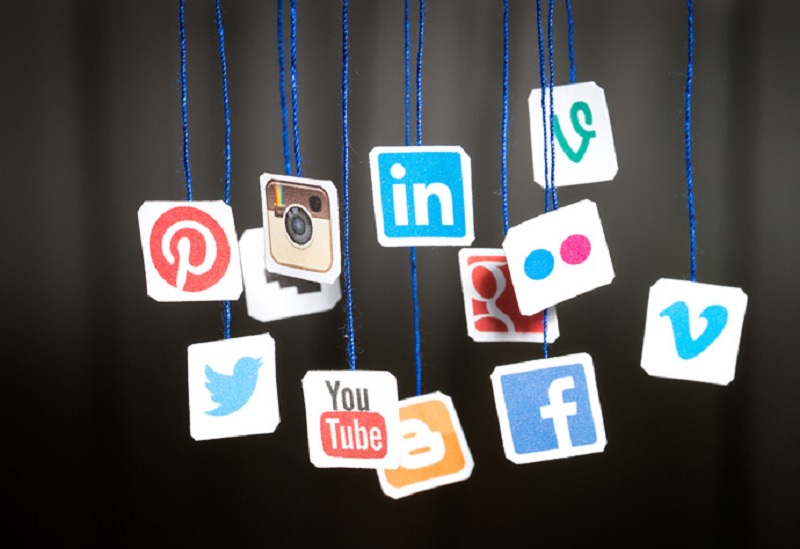
Social media has undoubtedly become a cornerstone of modern life, reshaping how we communicate, share ideas, and even perceive the world around us. Platforms such as Facebook, Instagram, Twitter, TikTok, and LinkedIn have not only transformed individual behavior but also revolutionized industries, politics, and societal dynamics at large. As powerful as these platforms are in fostering connections and creating communities, they have also introduced a range of challenges that require careful consideration. The evolution of social media, its profound impact on society, and the ethical dilemmas it presents offer a complex narrative of progress and concern, making it a topic worthy of deeper exploration.
The Rise of Social Media: A Digital Revolution
The origins of social media trace back to the early days of the internet, with the first recognizable platform being Six Degrees, launched in 1997. It allowed users to create profiles and connect with others, marking the beginning of a social networking era. However, it wasn’t until the early 2000s that platforms such as Friendster and MySpace laid the groundwork for more popular and enduring social media networks. MySpace, in particular, became a cultural phenomenon, blending elements of social networking with music, art, and personal expression. Yet it was Facebook, which debuted in 2004, that truly revolutionized the social media landscape. The platform allowed people to connect with friends, share photos and updates, and create entire communities, all underpinned by a clean, user-friendly interface that would later serve as a model for other platforms.
The subsequent years saw an explosion of new social media platforms, each catering to a particular aspect of online life. Instagram (launched in 2010) introduced visual-centric content, appealing to the growing desire for image-based communication. Twitter, with its brief, instant messaging format, captured the essence of fast-paced news cycles and public conversation. LinkedIn emerged as a professional networking platform, while TikTok’s rise in the late 2010s captured the attention of a younger audience with short, engaging videos. Social media had evolved from a novelty to an indispensable tool in the fabric of daily life.
The Positive Impact of Social Media
There is no doubt that social media has brought about many positive changes. One of the most significant contributions has been in the realm of communication. Gone are the days when people needed to rely on expensive international phone calls or snail mail to keep in touch with loved ones. Now, we can share moments in real-time through photos, videos, and status updates. In fact, for many, social media serves as the primary mode of communication, enabling them to stay connected with family, friends, and colleagues across the globe.
Moreover, social media has democratized the way information is disseminated. News that once traveled through traditional media outlets can now go viral within seconds. Events that may not have received attention in mainstream media find a platform through hashtags, live streams, and influencer coverage. The Arab Spring, for example, showcased the power of social media in organizing and amplifying social movements, as activists were able to communicate and coordinate efforts across borders. This level of real-time, grassroots engagement is unprecedented in history.
Social media has also provided marginalized groups with a voice. Previously silenced or overlooked communities can now share their stories, organize for justice, and gain visibility in ways that were unimaginable before the digital age. The #MeToo movement and Black Lives Matter are just two examples of how social media has propelled critical conversations around gender, race, and social justice, creating spaces for advocacy and change.
For businesses and creators, social media is a game-changer. It allows for direct interaction with consumers, enabling brands to build relationships, foster loyalty, and even respond to customer feedback in real-time. Influencer marketing has become an entire industry, allowing ordinary individuals to amass large followings and monetize their content. Social media platforms, in this regard, offer a unique blend of opportunity for self-expression and entrepreneurial success.
The Dark Side: Social Media’s Negative Effects
Despite its many positive aspects, social media also harbors a darker side, one that warrants a closer examination. Chief among the concerns is the impact of social media on mental health. Studies have shown a strong correlation between excessive use of social media and feelings of anxiety, depression, and loneliness. The curated nature of social media, where people tend to showcase only the highlights of their lives, creates unrealistic expectations and fosters a culture of comparison. This has led many to feel inadequate, disconnected, or envious, especially as they compare their behind-the-scenes reality to the seemingly perfect lives displayed on their feeds.
Additionally, the phenomenon of cyberbullying has been exacerbated by the anonymity that social media provides. The ease with which individuals can target others from behind a screen has led to an increase in online harassment and abuse. The consequences are often severe, with victims facing emotional trauma, self-esteem issues, and, in extreme cases, even suicidal thoughts. Social media platforms, despite their best efforts, continue to struggle with effectively policing hate speech, harassment, and harmful content.
Social media’s role in spreading misinformation is another area of concern. Fake news, hoaxes, and conspiracy theories can spread rapidly across these platforms, as users share content without verifying its accuracy. The 2016 U.S. Presidential Election and subsequent political turmoil highlighted the dangers of misinformation, with social media being used to sway public opinion and manipulate elections. Algorithms that prioritize engagement over accuracy further exacerbate this issue, creating echo chambers where users are only exposed to content that aligns with their existing beliefs, often leading to polarization and division.
The Challenge of Privacy
As social media continues to grow, so too does the amount of personal data users share. This raises serious privacy concerns, as platforms collect vast amounts of information about their users’ behaviors, preferences, and interactions. This data is often monetized through targeted advertising, raising questions about who owns this data and how it is being used. Scandals like the Facebook-Cambridge Analytica data breach have brought attention to the risks of data exploitation, showing how personal information can be harvested without consent and used for political or commercial gain.
The Future of Social Media
Looking ahead, the future of social media seems both exciting and uncertain. Platforms will continue to innovate, with the integration of virtual reality (VR), augmented reality (AR), and artificial intelligence (AI) expected to further enhance user experiences. Social media could evolve into a more immersive, personalized, and interactive space, blurring the lines between the digital and physical worlds.
At the same time, there is increasing recognition of the need for regulation and accountability. Governments, tech companies, and individuals alike will need to collaborate in addressing the ethical, social, and psychological implications of social media use. Striking the right balance between freedom of expression, privacy, and the well-being of users will be a critical challenge.
Conclusion
Social media has indelibly shaped our world, offering both tremendous opportunities and significant risks. It has revolutionized communication, empowered social movements, and opened new avenues for business and creativity. Yet, it has also introduced challenges related to mental health, privacy, misinformation, and online harassment. As we continue to navigate the complexities of the digital age, it is essential that we engage with social media consciously and responsibly. Only through mindful use and thoughtful regulation can we harness the potential of social media while mitigating its negative effects, ensuring that it remains a force for good in an increasingly interconnected world.