






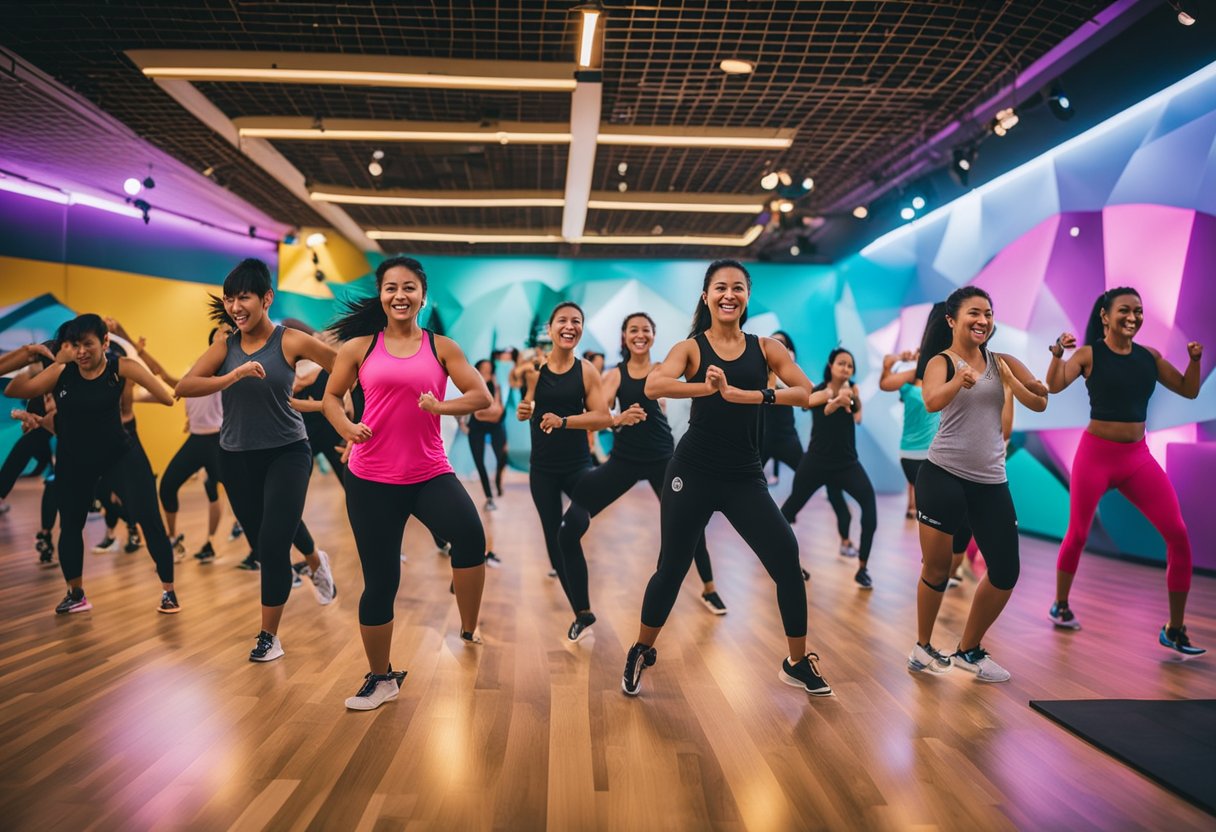
Wearable technology has transformed the fitness world by helping people understand how their bodies respond to movement. In Singapore, where digital adoption is high and people enjoy measurable progress, the integration of wearable tech into rhythm-based workouts has become increasingly popular. One environment where this convergence is especially powerful is in zumba classes near me. Zumba combines music, energy and coordinated movement, and when paired with wearable tech, it becomes a more effective, insightful and personalised fitness experience.
Many people think of Zumba simply as a fun cardio session, but its structure offers a wide range of data points that wearable devices can track. This includes heart rate variations, calorie expenditure, tempo adjustments, step frequency and movement intensity. When you combine these metrics with the natural rhythm of Zumba, you gain a detailed understanding of how your body works, adapts and improves with each session.
The Value of Wearable Tech in Modern Fitness
Wearable technology has moved far beyond step counters. Today’s devices include advanced sensors that track multiple physiological indicators. These metrics help individuals optimise their workouts, avoid overexertion and monitor long-term progress.
Key functions include:
-
Heart-rate monitoring
-
Sleep analysis
-
Movement tracking
-
Calorie estimation
-
Intensity level detection
-
Stress measurement
-
Muscle activity insights (on advanced models)
For Zumba enthusiasts, these metrics offer precision that complements the expressive nature of dance fitness.
Bringing Structure to a Rhythmic Workout
Zumba is naturally dynamic. Movements range from slow hip motions to fast-paced footwork. While it may seem free-flowing, the body experiences structured physiological changes throughout each routine. Wearable tech brings clarity to these changes.
Tracking Heart-Rate Zones
Zumba naturally transitions through different intensities. Wearables show how the heart responds during:
-
Warm up
-
Mid tempo routines
-
Peak rhythms
-
Recovery beats
This helps participants understand cardiovascular benefits more accurately.
Monitoring Calorie Burn
Zumba is known for burning significant energy due to continuous movement. Wearable data shows real-time output, which encourages users to push a little harder when needed.
Step Count Accuracy
Because Zumba includes multidirectional movement, wearables track steps in all directions, offering a more complete picture of activity levels.
Measuring Pace and Intensity
Tempo changes in choreography influence pacing. Devices highlight when you are working harder or recovering.
This structured feedback deepens your awareness of how Zumba supports fitness improvement.
Enhancing Motivation With Real-Time Feedback
One of the strongest benefits of wearable tech is the motivation it delivers. Seeing real-time data keeps participants alert and engaged. When the device shows an increase in heart rate or calorie burn, many people naturally feel more encouraged to give their best.
Visual Cues
Some wearables display heart-rate zones with colours. This creates instant awareness of your effort level.
Vibration Alerts
A device can discreetly remind you to move more, push harder or stay within a safe zone.
Emotional Reward
At the end of a session, reviewing your progress gives a sense of accomplishment and reinforces consistency.
This combination of movement, music and data creates a powerful motivational cycle.
Supporting Safe and Sustainable Training
Safety is an important part of any workout. Wearable tech helps maintain safe intensity levels, especially for those who may be returning to fitness after a break or managing specific health considerations.
Monitoring Heart Safety
Real-time heart-rate tracking helps you avoid overexertion while still achieving meaningful cardio benefits.
Detecting Stress Levels
Some devices track stress indicators through heart-rate variability. If stress is high, the device might suggest taking gentler steps during the session.
Encouraging Proper Recovery
Wearables provide insights into post-workout fatigue and recommend recovery duration before the next high-intensity session.
This helps participants stay consistent without risking burnout.
How Wearables Improve Technique Awareness
Although Zumba is expressive, technique still matters for safety and efficiency. Wearables offer indirect guidance on movement execution.
Cadence Tracking
Maintaining consistent cadence improves coordination. A sudden drop may indicate fatigue or loss of technique.
Motion Sensors
Some devices give feedback on movement sharpness, helping participants refine their steps.
Posture Monitoring
Advanced wearables with gyroscopic sensors detect posture deviations. This helps you maintain a healthy spine and reduce injury risk.
Over time, this feedback helps users execute movements with greater precision and comfort.
Building Long-Term Consistency Through Data
One challenge many Singapore adults face is maintaining a workout routine due to busy work schedules. Wearable tech bridges this gap by turning fitness into a measurable journey.
Habit Tracking
Daily activity goals help integrate movement into your lifestyle consistently.
Weekly Trends
Charts and graphs show improvements in stamina, calorie burn and overall activity.
Streak-Based Motivation
Many apps reward streaks, increasing commitment to attending Zumba sessions regularly.
Progress Milestones
Seeing improvements in cardiovascular endurance over months encourages long-term dedication.
This creates a cycle where data supports behaviour, and behaviour strengthens results.
Personalising Intensity for Different Fitness Levels
Zumba classes often have participants of various ages and abilities. Wearables help individuals personalise intensity so they can train safely without feeling pressured.
Beginners
They can track their heart rate to stay in comfortable zones while learning steps.
Intermediate participants
They can use data to push deeper into higher zones during fast routines.
Advanced users
They can set performance benchmarks and monitor peak intensity with precision.
This customisation makes Zumba inclusive for everyone, regardless of fitness background.
Making the Most of Wearables Before, During and After Class
To fully benefit from wearable tech, it helps to use the device strategically.
Before class
-
Ensure the device is charged
-
Review your goals for the session
-
Check your baseline heart rate
During class
-
Monitor heart-rate zone changes
-
Observe alerts for intensity adjustments
-
Use the rhythm to guide consistent pacing
After class
-
Review your cardio peaks and recovery time
-
Monitor hydration needs
-
Log your mood or energy levels
Using wearables with this rhythm supports deeper insight into your progress.
How Singapore’s Fitness Environment Supports Tech Integration
Singapore is known for its adoption of digital tools in daily life, and fitness is no exception. Many people appreciate that wearable tech blends seamlessly into their routines. Fitness enthusiasts often combine dance workouts with tracking apps, smart scales and digital recovery tools.
Some choose facilities such as True Fitness Singapore because they offer supportive environments where technology and physical activity work together. Clean studios, structured classes and well-timed schedules help participants enjoy both movement and tracking without disruptions.
Real-Life Frequently Asked Questions
Q1. Which wearable devices work best for Zumba?
Most fitness trackers, including popular brands with heart-rate sensors, are suitable. The key is accurate heart-rate reading during dynamic movement.
Q2. Can wearable devices track Zumba accurately?
Yes. Modern trackers use motion sensors and optical heart-rate monitors to detect multidirectional movement and tempo changes.
Q3. Do I need a wearable to benefit from Zumba?
No. Wearables add precision, but the workout itself delivers strong cardio and emotional benefits even without a device.
Q4. How can wearables prevent overexertion?
They alert you when your heart rate exceeds safe levels, helping you adjust intensity quickly.
Q5. Will wearable tech make the workout too complicated?
Not at all. Wearables operate quietly in the background. You simply move to the music while they gather useful data.