







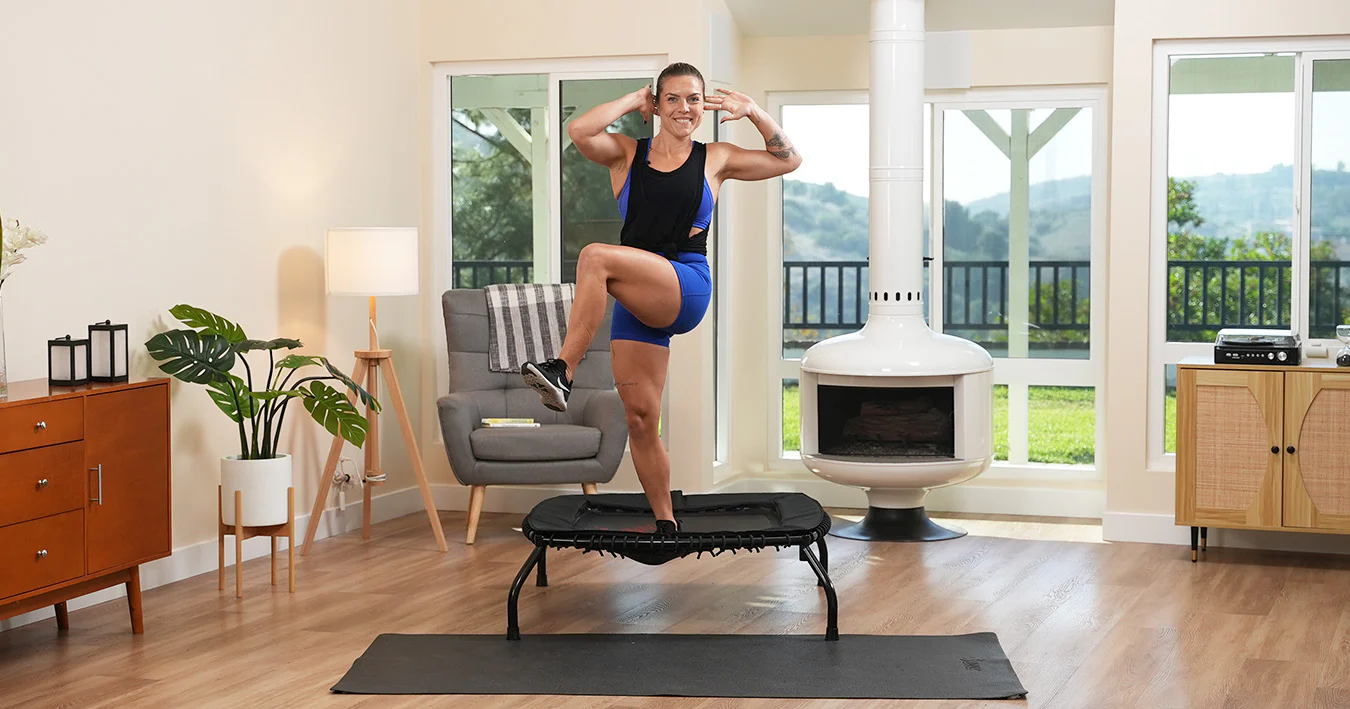
Fitness technology has changed the way people understand their workouts. Instead of guessing effort, users can track heart rate, calories, recovery, sleep and training patterns. For people joining a trampoline class singapore session, wearable technology can add useful insight into how the body responds to rebound training.
A trampoline workout feels fun, but it can also be physically demanding. Heart rate tracking helps participants understand intensity, manage effort and measure progress over time.
Why Tracking Matters in Class-Based Fitness
Class workouts are often guided by music and instructor energy. This creates motivation, but it can also make people lose track of intensity. Some may push too hard. Others may stay too comfortable.
Wearables offer feedback. A heart rate monitor or smartwatch can show whether the participant is working in a moderate, vigorous or recovery zone. This allows smarter pacing.
Tracking also helps people see that enjoyable workouts can still be effective. A trampoline class may feel playful, but the data can reveal a strong cardio response.
Understanding Heart Rate Zones
Heart rate zones help users understand effort. Lower zones may reflect warm-up or recovery. Middle zones often support endurance. Higher zones show intense effort.
During a rebound workout, heart rate may rise and fall depending on the sequence. Faster bounce sections may push intensity higher, while slower coordination sections may allow partial recovery.
This variation can make the workout engaging. It also helps participants understand how their body reacts to different movements.
Progress Beyond Calories
Many people focus only on calories burned, but this is a limited way to judge fitness. Wearables can show other useful patterns, such as average heart rate, recovery time, workout frequency and sleep quality.
For trampoline fitness, progress might mean recovering faster between intervals, maintaining better control at higher intensity, or attending more consistently across several weeks.
These indicators are often more meaningful than a single calorie number. Fitness improvement is about adaptation, not just expenditure.
Using Technology Without Losing Enjoyment
One risk of fitness tracking is becoming too obsessed with numbers. Data should support the workout, not dominate it.
In a trampoline class, enjoyment is part of the value. Participants should still listen to music, follow the instructor and enjoy the movement. Wearables can be reviewed after class rather than checked constantly.
A balanced approach works best. Use the data to learn, but let the experience remain fun.
Tracking Recovery and Readiness
Smartwatches often track sleep, resting heart rate and recovery signals. These can help people decide how hard to train.
If sleep has been poor or stress is high, it may be better to attend class with moderate effort rather than pushing to maximum intensity. If the body feels fresh, a participant may choose to challenge themselves more.
This type of self-awareness supports long-term consistency. It helps prevent the cycle of overtraining, soreness and dropout.
Apps and Long-Term Habits
Fitness apps can help users track attendance, set goals and monitor improvement. For class-based workouts, this can be motivating because progress is not always visible immediately.
Someone may not notice daily changes, but after a month, the app may show more completed sessions, improved heart rate recovery or better training consistency.
This record can reinforce motivation. It turns effort into visible progress.
Real-Life FAQs
Q. Should I wear a smartwatch during trampoline class?
Ans. It can be useful if it feels secure and comfortable. It helps track heart rate, effort and workout consistency.
Q. Are calorie numbers on wearables fully accurate?
Ans. They are estimates. It is better to use them as a general guide rather than an exact measurement.
Q. Can tracking help me avoid overtraining?
Ans. Yes, recovery data, sleep trends and heart rate patterns can help you adjust intensity instead of pushing hard every session.