








Technology has revolutionised the way we approach health and fitness. From wearable trackers to virtual classes, people today have access to tools that personalise and enhance their wellness journeys. Amid this digital transformation, traditional practices such as yoga continue to evolve. A unique example is the integration of the yoga wheel with modern fitness technology, creating a synergy between mindful movement and digital progress tracking.
This blend of ancient wisdom and modern innovation is particularly relevant in Singapore, where busy lifestyles demand efficiency and precision. By combining yoga wheel practice with apps, wearables, and smart platforms, individuals can transform a simple prop into a tech-enabled tool for holistic wellness.
The Rise of Tech-Driven Fitness in Singapore
Over the past decade, Singapore has embraced technology as part of its national wellness movement. Fitness apps, AI-driven trainers, and even VR classes are now part of mainstream routines. The reasons are clear:
-
Data-driven progress: Wearables track calories, steps, heart rate, and sleep quality.
-
Accessibility: Online platforms provide real-time classes without commuting.
-
Personalisation: AI and machine learning suggest workouts based on individual needs.
-
Motivation: Gamification elements such as streaks and leaderboards keep people consistent.
The yoga wheel, though a simple circular prop, adapts seamlessly to this ecosystem by offering measurable benefits in flexibility, posture, strength, and mindfulness.
How the Yoga Wheel Aligns with Modern Tech
Unlike gym machines with built-in monitors, the yoga wheel requires creativity to integrate into the digital space. Fortunately, technology allows us to track and enhance its use in innovative ways:
-
Wearable integration: Smartwatches monitor heart rate during wheel-based core workouts.
-
Mobility tracking apps: Measure progress in flexibility through posture assessment.
-
Streaming platforms: Provide guided yoga wheel routines led by professional instructors.
-
AI-driven feedback: Smart cameras analyse posture and alignment during wheel exercises.
These connections bridge the gap between traditional yoga and the digital fitness revolution.
Benefits of Combining the Yoga Wheel with Tech-Enhanced Routines
1. Accurate Progress Tracking
For many practitioners, flexibility and posture improvements are subtle and difficult to measure. With wearable sensors and posture analysis apps, progress becomes visible. The yoga wheel creates measurable angles of backbends and stretches, which can be tracked digitally over time.
2. Personalised Training
AI-powered apps can adapt yoga wheel routines based on current mobility and fitness levels. For example, if your shoulders are tight after a week of long office hours, the app may suggest wheel-assisted chest openers rather than advanced balance drills.
3. Increased Motivation
When linked with gamified fitness platforms, yoga wheel practice becomes more engaging. Earning points or badges for consistency in backbend routines keeps practitioners motivated.
4. Enhanced Safety
Posture correction features in smart cameras or apps ensure that exercises are done correctly, reducing the risk of injury. This is particularly valuable for beginners who may not have direct access to instructors.
5. Mind-Body Balance in a Digital Era
While technology brings data and motivation, the yoga wheel ensures the physical and mindful aspect of wellness is not lost. It grounds users in their practice while still connecting with digital progress.
Tech-Supported Yoga Wheel Exercises
Plank Stability Challenge
-
Place hands on the yoga wheel in a high plank.
-
Sync with a smartwatch to monitor heart rate.
-
Use a posture-tracking app to ensure shoulders remain aligned.
Benefit: Builds core strength and provides measurable cardiovascular impact.
Digital Backbend Progress
-
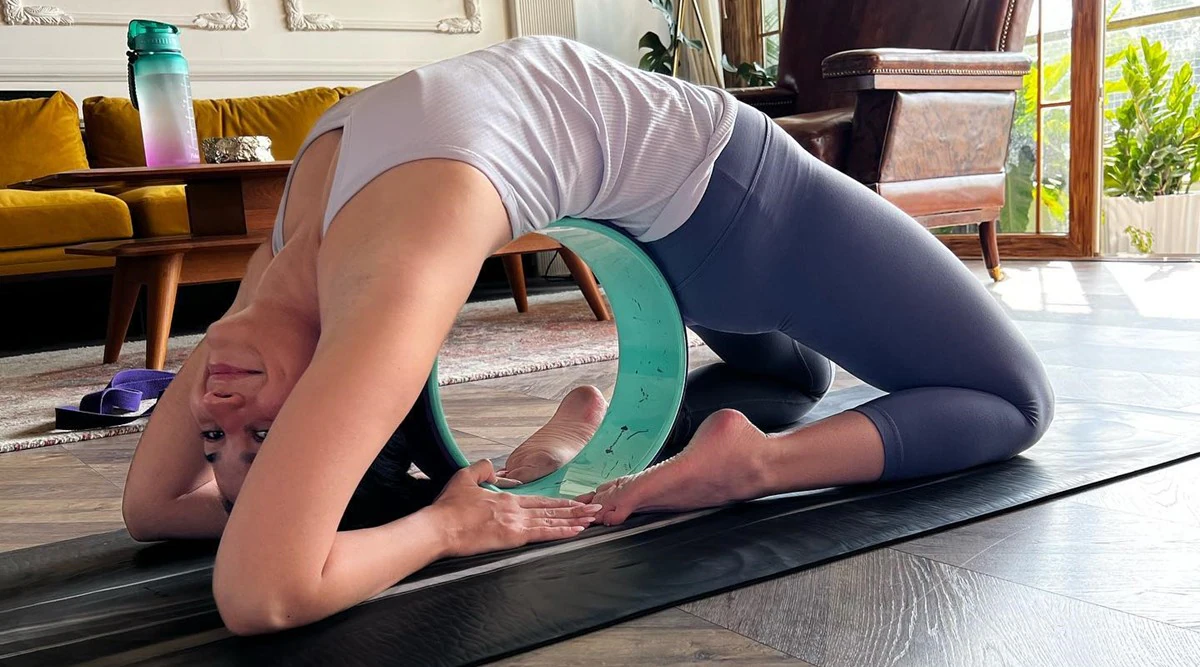
Recline on the yoga wheel for supported spinal extensions.
-
Record the angle of the backbend with a smart camera.
-
Compare week-to-week improvements.
Benefit: Creates a visual record of posture enhancement over time.
Guided Recovery Routine
-
Use a streaming platform to follow a restorative yoga wheel class.
-
Allow the app to suggest breathing exercises while reclining on the wheel.
Benefit: Combines relaxation with structured, personalised guidance.
Smart Fitness Trends and the Yoga Wheel
Virtual Reality (VR) Integration
Imagine practising yoga wheel poses in a virtual studio overlooking mountains or beaches. VR-based yoga experiences already exist, and integrating the wheel adds depth by engaging balance and mobility.
AI Coaching
Smart fitness mirrors and AI apps can analyse yoga wheel routines, correcting alignment and providing real-time feedback. This makes home-based wellness more interactive.
Hybrid Training Models
As gyms adopt hybrid approaches, practitioners can attend in-person yoga wheel classes while also accessing virtual progress dashboards. This model combines community with personal accountability.
Why This Matters in Singapore’s Wellness Landscape
Singapore’s fast-paced urban lifestyle often means limited time for exercise. Technology helps optimise short sessions, while the yoga wheel maximises results in small spaces. Together, they create a system that is efficient, effective, and sustainable.
-
Time-conscious professionals: Benefit from short, tech-guided yoga wheel routines.
-
Small-space living: The wheel fits seamlessly into HDB flats or condos.
-
Data-driven culture: Aligns with Singapore’s preference for measurable progress.
This integration positions the yoga wheel as more than a prop—it becomes part of a smart wellness strategy.
Building a Tech-Driven Yoga Wheel Routine
Step 1: Choose the Right Tech
-
Wearables (Apple Watch, Fitbit, Garmin) for monitoring heart rate and calories.
-
Apps like Glo or Alo Moves for guided yoga wheel classes.
-
Smart cameras or fitness mirrors for posture analysis.
Step 2: Design a Weekly Plan
-
2 strength sessions: Core and stability drills with wheel and heart rate tracking.
-
2 mobility sessions: Backbends, shoulder openers, and hip stretches monitored digitally.
-
1 recovery session: Restorative practice paired with meditation apps.
Step 3: Track and Adjust
-
Review digital progress weekly.
-
Adjust intensity and variety based on mobility scores and recovery needs.
This approach combines discipline with flexibility, ensuring continuous improvement.
Where to Learn Yoga Wheel Practice in Singapore
While technology enables home practice, learning correct techniques under professional guidance is vital. At Yoga Edition, structured yoga wheel classes teach alignment and progression, ensuring that when you integrate technology at home, you do so safely and effectively.
FAQs
Q. Can yoga wheel routines be fully tracked with technology?
Yes, while not every movement can be digitally measured, flexibility, posture, and heart rate can be effectively tracked using apps and wearables.
Q. Is the yoga wheel suitable for beginners using fitness apps?
Absolutely. Most apps provide modifications, and the yoga wheel supports safe entry into deeper stretches.
Q. How does the yoga wheel differ from traditional props in a tech setup?
It allows dynamic movement and rolling sequences, which combine well with posture analysis tools compared to static props like blocks.
Q. Can VR yoga experiences include wheel practice?
Yes, many VR setups allow custom routines. The wheel can be integrated for added balance and mobility training.
Q. Do I need to be tech-savvy to integrate the yoga wheel into smart fitness?
Not at all. Even basic use of wearables and streaming apps enhances yoga wheel routines without requiring advanced technical skills.